The WWF is run at a local level by the following offices...
- WWF Global
- Adria
- Argentina
- Armenia
- AsiaPacific
- Australia
- Austria
- Azerbaijan
- Belgium
- Bhutan
- Bolivia
- Borneo
- Brazil
- Bulgaria
- Cambodia
- Cameroon
- Canada
- Caucasus
- Central African Republic
- Central America
- Central Asia
- Chile
- China
- Colombia
- Croatia
- Democratic Republic of the Congo
- Denmark
- Ecuador
- European Policy Office
- Finland
- Papua New Guinea
- Paraguay
- Peru
- Philippines
- Poland
- Portugal
- Regional Office Africa
- Romania
- Senegal
- Serbia
- Singapore
- Slovakia
- Slovenia
- South Africa
- South Pacific
- Spain
- Suriname
- Sweden
- Switzerland
- Tanzania
- Thailand
- Turkey
- Uganda
- Ukraine
- United Arab Emirates
- United Kingdom
- United States
- Vietnam
- Zambia
- Zimbabwe
Arte y educación ambiental promueven la conservación del Sitio Ramsar Río Blanco y de los humedales en el Beni
(English below)
Estudiantes de distintos municipios participaron en jornadas de sensibilización sobre la importancia de los humedales y la biodiversidad, a través de charlas educativas, concursos de dibujo y la historieta Compañeros del río, de WWF-Bolivia.
Beni, octubre de 2026.- Con el objetivo de fortalecer el conocimiento y la valoración de los humedales, WWF-Bolivia, en coordinación con iel Centro de Investigación en Biodiversidad y Medio Ambiente-CIBIOMA y el Instituto Universitario de Artes de la Universidad Autónoma del Beni “José Ballivián” y autoridades locales, impulsó jornadas de sensibilización y educación ambiental dirigidas a niñas, niños y jóvenes de los Municipios de Baures, Magdalena, Huacaraje, San Ramón y la localidad de Bella Vista i, para promover la gestión sostenible del Sitio Ramsar Río Blanco y los ecosistemas de la región.
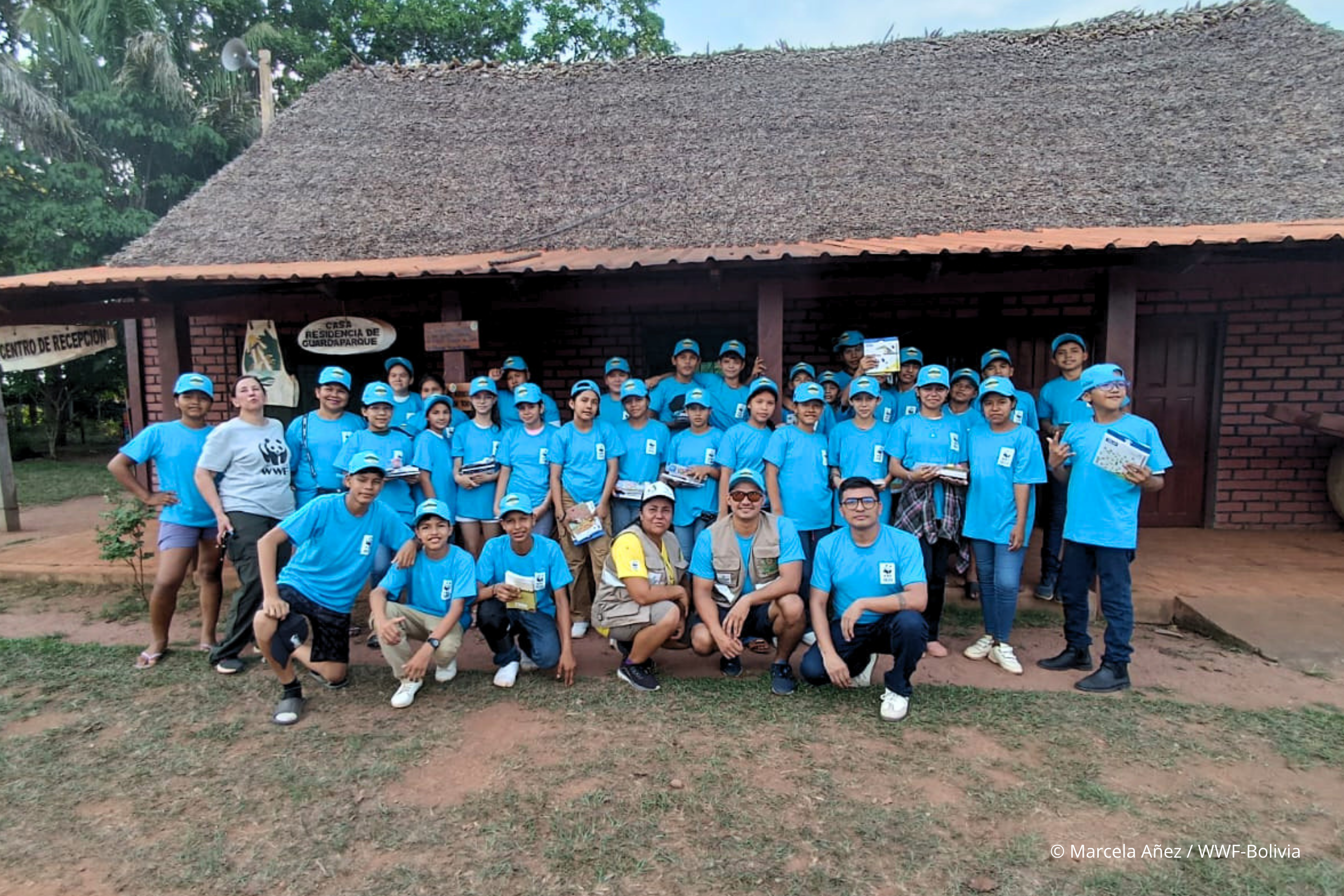 Las actividades se desarrollaron mediante el trabajo conjunto con la Universidad Autónoma del Beni José Ballivián (UABJB), a través del Centro de Investigación en Biodiversidad y Medio Ambiente (CIBIOMA) y el Instituto Universitario de Artes (IUA), además de la Gobernación del Beni y los gobiernos municipales participantes.
Durante las jornadas, las y los estudiantes participaron en charlas educativas sobre la importancia de los humedales, su función en el equilibrio ecológico y la necesidad de promover el uso sostenible de los recursos naturales. Asimismo, se realizó un concurso de dibujo y se compartió la historieta de WWF-Bolivia “Compañeros del río”, un recurso educativo que busca acercar a las nuevas generaciones a la importancia de los ecosistemas acuáticos y la gestión sostenible n de la biodiversidad.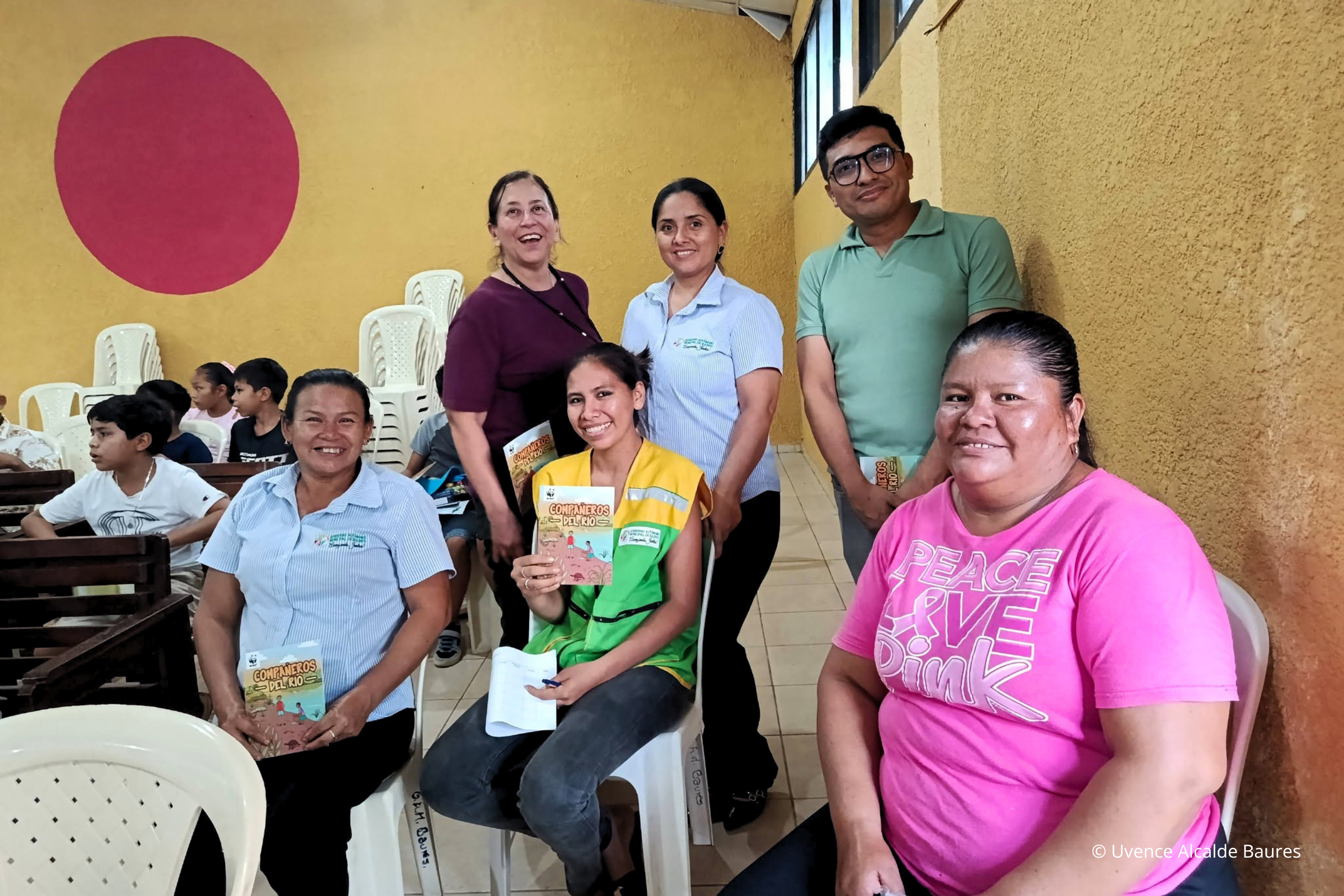 “Los humedales son fundamentales para mantener el equilibrio de nuestros ecosistemas y sostener la biodiversidad; por eso, es importante que las nuevas generaciones conozcan su valor y se involucren activamente en la gestión sostenible. A través de estas jornadas de sensibilización, buscamos acercar estos temas a niñas, niños y jóvenes de una manera dinámica y participativa”, destacó Marcela Añez, coordinadora de Infraestructura, Suelos y Agua de WWF-Bolivia.
El arte como herramienta para conectar con la naturaleza
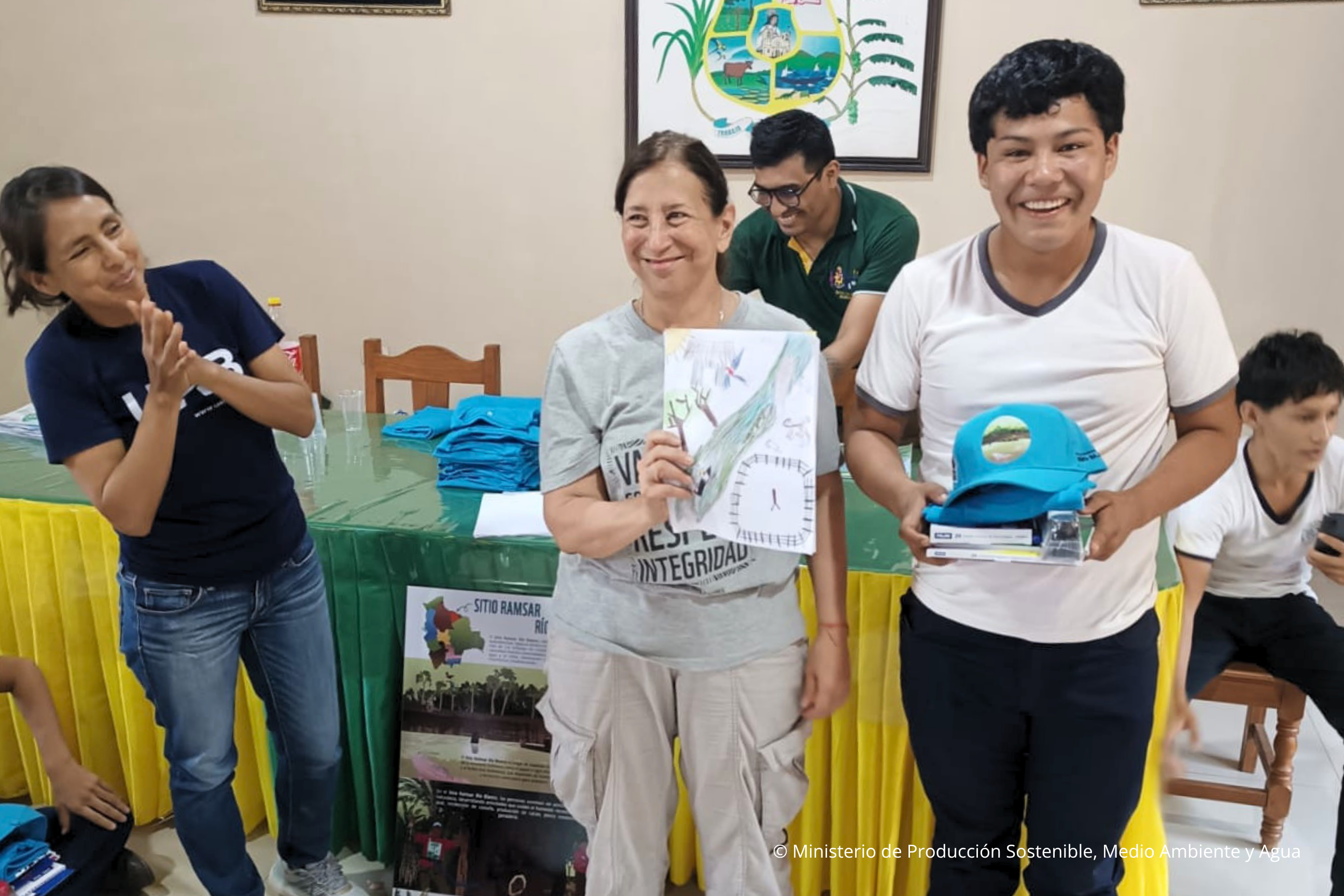
Uno de los componentes centrales de las jornadas fue la realización de concursos de dibujo y pintura, con el apoyo de docentes y representantes del área de Artes de la UABJB. A través de sus ilustraciones, las y los estudiantes representaron la riqueza natural de su entorno, los humedales y las especies que forman parte de la biodiversidad del Beni.Esta metodología permitió complementar el aprendizaje con la expresión artística, fomentando la creatividad, la identidad territorial y el sentido de pertenencia. Además, las y los participantes recibieron premios en reconocimiento a su entusiasmo y compromiso.
 Conservar los humedales es cuidar nuestro futuro
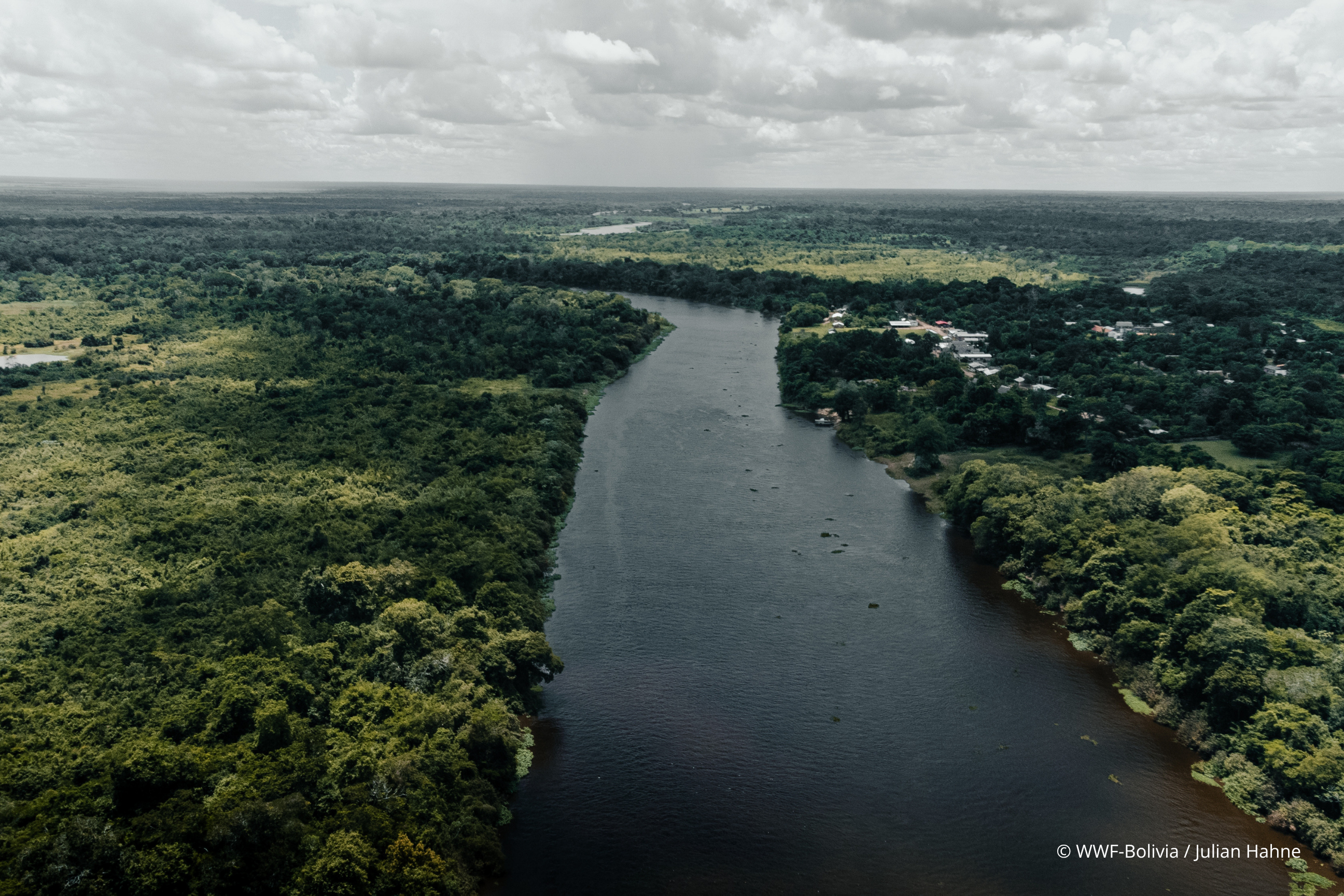
El Sitio Ramsar Río Blanco es un humedal de importancia internacional que comprende territorios de los municipios de Magdalena, San Ramón, Huacaraje, Baures y San Javier, en el departamento del Beni, el sitio no prohíbe ninguna actividad económica de la gente local. Estos ecosistemas cumplen funciones esenciales para el equilibrio ecológico y albergan una importante diversidad de especies, por lo que su gestión sostenible requiere el compromiso y trabajo de las instituciones, las comunidades y las nuevas generaciones.
Las jornadas permitieron reforzar el conocimiento sobre la importancia de los humedales y promover una visión de conservación que reconoce el valor de la biodiversidad y la necesidad de utilizar los recursos naturales de manera sostenible.
A través de estas alianzas, WWF-Bolivia y las instituciones participantes contribuyen a acercar la una gestión sostenible y responsable del territoria a las nuevas generaciones, demostrando que la educación ambiental, la ciencia y el arte pueden complementarse para generar conciencia y fortalecer el compromiso con el patrimonio natural del Beni.
--
Students from Different Municipalities Take Part in Wetland and Biodiversity Awareness Activities
Students from different municipalities participated in awareness-raising activities on the importance of wetlands and biodiversity through educational talks, drawing competitions, and WWF-Bolivia’s comic book Compañeros del río (River Companions).
Beni, October 2026. — To strengthen knowledge and appreciation of wetlands, WWF-Bolivia, in coordination with the Center for Research on Biodiversity and the Environment (CIBIOMA), the University Institute of Arts of the Autonomous University of Beni “José Ballivián,” and local authorities, organized environmental education and awareness-raising activities for children and young people from the municipalities of Baures, Magdalena, Huacaraje, San Ramón, and the community of Bella Vista. The initiative aims to promote the sustainable management of the Río Blanco Ramsar Site and the region’s ecosystems.The activities were carried out through joint efforts with the Autonomous University of Beni “José Ballivián” (UABJB), through its Center for Research on Biodiversity and the Environment (CIBIOMA) and the University Institute of Arts (IUA), as well as the Government of Beni and the participating municipal governments.
During the sessions, students took part in educational talks on the importance of wetlands, their role in maintaining ecological balance, and the need to promote the sustainable use of natural resources. A drawing competition was also held, and students received copies of WWF-Bolivia’s comic book Compañeros del río (River Companions), an educational resource designed to help younger generations understand the importance of aquatic ecosystems and the sustainable management of biodiversity.“Wetlands are essential for maintaining the balance of our ecosystems and sustaining biodiversity. That is why it is important for younger generations to understand their value and become actively involved in sustainable management. Through these awareness-raising activities, we seek to introduce children and young people to these topics in a dynamic and participatory way,” said Marcela Añez, Infrastructure, Soils and Water Coordinator at WWF-Bolivia.
Art as a Tool for Connecting with Nature
One of the key components of the activities was a series of drawing and painting competitions, supported by teachers and representatives from the Arts Department of UABJB. Through their illustrations, students depicted the natural richness of their surroundings, wetlands, and the species that make up Beni’s biodiversity.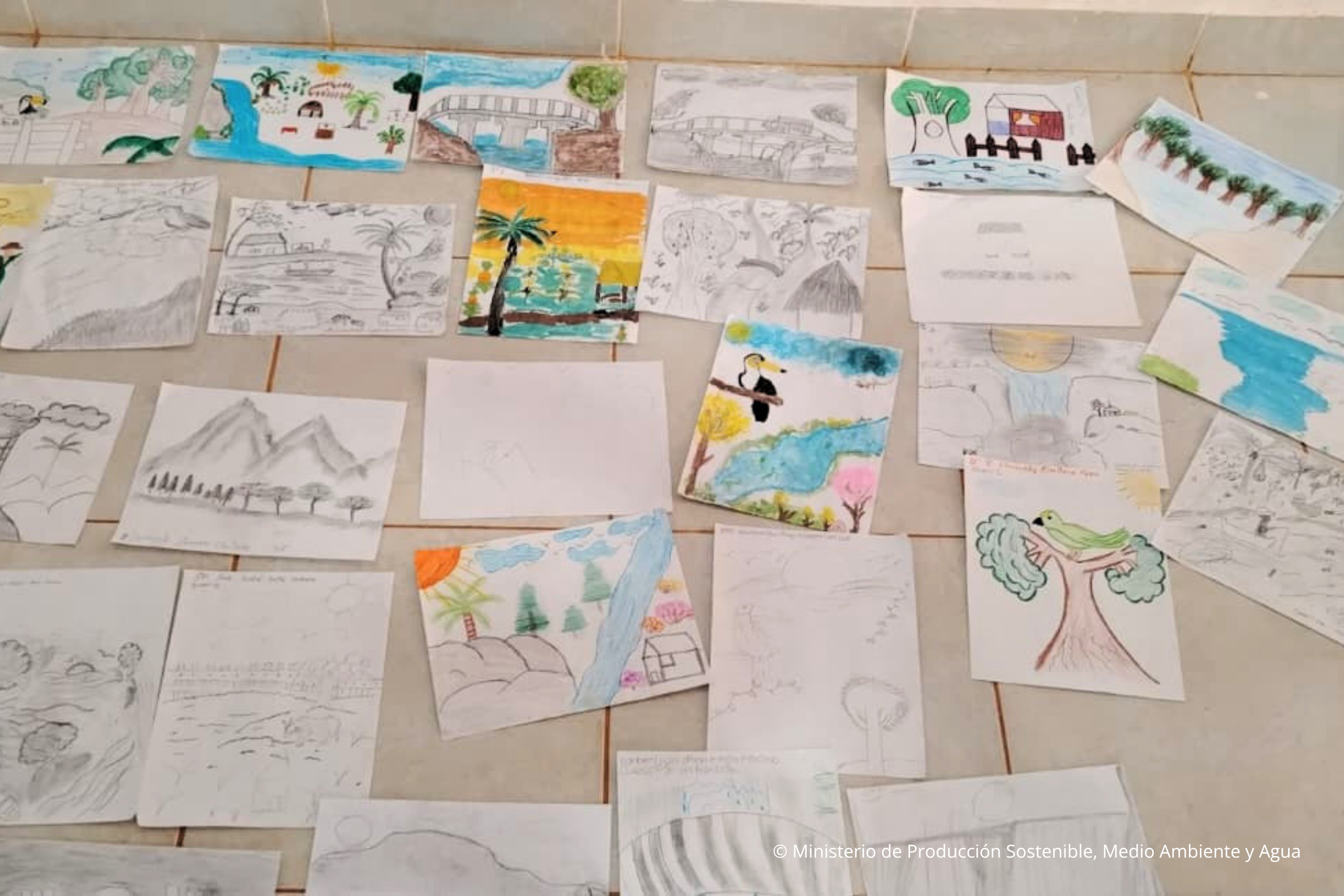 This approach complemented learning with artistic expression, fostering creativity, territorial identity, and a sense of belonging. Participants also received prizes in recognition of their enthusiasm and commitment.Protecting Wetlands Means Protecting Our Future
The Río Blanco Ramsar Site is a wetland of international importance encompassing territories within the municipalities of Magdalena, San Ramón, Huacaraje, Baures, and San Javier, in the department of Beni. Its designation does not prohibit local communities from engaging in economic activities. These ecosystems play essential roles in maintaining ecological balance and support a wide diversity of species. Their sustainable management therefore requires the commitment and collaboration of institutions, communities, and younger generations.
The activities helped strengthen understanding of the importance of wetlands and promote a conservation approach that recognizes the value of biodiversity and the need to use natural resources sustainably.
Through these partnerships, WWF-Bolivia and the participating institutions are helping younger generations understand the importance of sustainable and responsible territorial management, demonstrating how environmental education, science, and art can complement one another to raise awareness and strengthen commitment to Beni’s natural heritage.